From Uncertain to Unstoppable: How Renaissance School is Changing Students’ Futures

April 24, 2026

When Courtney Klotz first found Renaissance School in 2016, it had only been open for five months and served just 26 students. Like many parents, she was searching for something better. She was searching for a place where her daughter, Mary-Camila, could truly learn and thrive.


At the time, the outlook was discouraging. In sixth grade, Mary-Camila scored a 75 on an IQ test, a result that pointed toward a future of limited academic opportunity, likely finishing high school with a certificate of completion instead of a diploma.


Fast-forward ten years, and that prediction couldn’t be more wrong.


Today, Mary-Camila is graduating from Flagler College a year early as a presidential scholarship recipient, and she’s headed to begin her career with Disney.


A Different Approach That Makes a Difference

Mary-Camila’s transformation didn’t happen by chance. It happened because she was given access to the right environment, one designed to meet her where she was.


That experience inspired Courtney to get more involved, eventually working at Renaissance herself—even stepping in without pay when finances were tight. The school’s approach is rooted in Universal Design for Learning, a proactive educational framework based on neuroscience that optimizes teaching for all students by minimizing barriers and maximizing flexibility. This learning model supports students with a wide range of learning differences.


And the impact is fast.


Courtney says that within just a few weeks, students begin to change. Anxiety decreases. Confidence grows. Students start to believe something many had never been told before: they are capable of learning.

Today, Renaissance School serves students through the Alabama CHOOSE Act and with tuition made possible through Alabama Opportunity Scholarship Fund. This support doesn’t just keep the doors open—it creates stability, even allowing the school to set aside emergency funds and build for the future.


But the real impact is found in the students themselves.


Stories of Growth, Confidence, and Belonging


Sydney, now in 9th grade, has been at Renaissance for just two years. And in that time, she’s advanced four grade levels. She recently earned a silver medal in a scholastic fiction writing contest, an opportunity she says she “never had the chance” to pursue before. She credits the school’s smaller classes and collaborative environment, where “teachers and friends help each other figure things out.”


Landon, also in 9th grade, describes a completely different experience from his previous school. Once struggling with mental health challenges in what he called a “chaotic and crazy” environment, he now says he’s in a “great spot.” His ADHD is more manageable, he’s proud of his ability to focus, and he’s found mentorship through his coach. Next fall, he plans to take dual enrollment classes—something that once felt out of reach.


For younger students, the shift is just as meaningful.


Sam, a 5th grader, appreciates something simple but powerful: “there are no bullies.” He enjoys school again, especially PE, alongside his twin sibling.


Samantha, in 3rd grade, shared openly about being bullied at her former school. At Renaissance, she says “people are always helping others,” and she feels safe trusting both classmates and teachers. Her dream? To become a zookeeper.
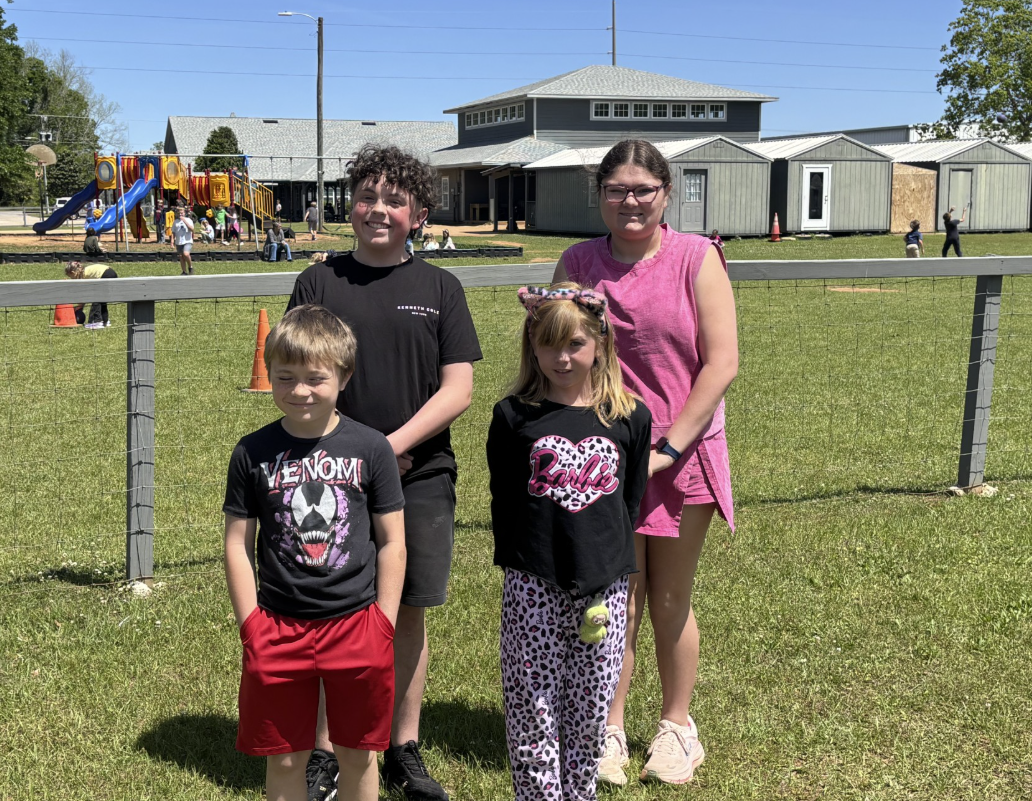
While each student’s story is unique, one thing remains constant;  many came from environments that were overwhelming, unsupportive, or even harmful. At Renaissance School, they found something different: structure, encouragement, and a community that believes in them.


They’re not just catching up, they’re moving forward with confidence. And maybe most importantly, they’re hopeful.


Why It Matters

When families are given access to the right educational environment, outcomes can change dramatically. What once looked like a dead end can become a launching point—for college, careers, and a future filled with possibility.


Mary-Camila’s story started with uncertainty. Today, it’s a testament to what’s possible when students are seen, supported, and given the opportunity to succeed.


And there are more students just like her ready for their chance.

Learn More About Renaissance Academy of the Eastern Shore
April 7, 2026
At Alabama Opportunity Scholarship Fund, we’re always looking for ways to better support the schools and families we serve. That’s why we’re excited to share a new partnership with FACTS® , a trusted leader in school management solutions and part of Nelnet. This partnership positions us, and our partner schools, well for the future implementation of the Education Freedom Tax Credit (EFTC) , which will launch in January 2027. As we prepare for this next chapter in school choice across Alabama, it’s critical that we build systems that are both efficient and familiar. By working together, we’re streamlining processes for schools while creating a more seamless experience for families. The goal is simple: reduce administrative burden, improve access, and help more students find the right educational environment for their needs. We believe this model will not only strengthen how these new EFTC scholarships are administered, but also empower our partner schools to grow enrollment and better serve their communities. Most importantly, it helps ensure that families have the tools and support they need to make informed decisions about their child’s education. This is a step forward...and we’re just getting started.
March 31, 2026
A single mother shares how scholarships made 13 years of faith-based education possible for her daughters, and the lifelong impact of that support.
March 24, 2026
Tonya Jones shares school choice options for families across Alabama with Neonta Williams, Founder of Black Alabamians for Education.
March 20, 2026
For families in the rural communities of Russell and Lee County, finding the right school fit hasn’t always been easy. That’s exactly the gap The Rock Academy set out to fill. As a newer K–12 Christian school with an inclusive preschool program, The Rock Academy is grounded in a clear mission: deliver a high-quality education while shaping students academically, spiritually, and personally. Or, as Founder and Principal Kristi puts it, “We strive to cultivate academic excellence, spiritual growth, and character development in our students.” No fluff, just a straightforward commitment to doing school differently, and do it well.
March 16, 2026
New polling shows K-12 parents strongly support the Education Freedom Tax Credit and are likely to contribute to scholarship programs expanding opportunity for students.
March 2, 2026
For decades, AOSF has put parents — not systems — in the driver’s seat when it comes to their children’s education. We know one size doesn’t fit all. That’s why the new federal Education Freedom Tax Credit (a.k.a. federal scholarship tax credit) is a big deal: it lets everyday taxpayers redirect part of what they already owe in federal taxes to directly fund K-12 scholarships for Alabama students. Here’s the practical version of how it works, and why it matters.
February 24, 2026
When you give to support K–12 scholarships, not all tax incentives are created equal — and knowing the difference can help make your gift go further.
February 19, 2026
When donors give to the Alabama Opportunity Scholarship Fund, they’re not just funding tuition. They’re opening doors to schools like Faith Academy in Mobile — places where students are known, supported, challenged, and grounded in faith. Faith Academy is a private Christian school committed to developing the whole child: academically, spiritually, and personally. Excellence isn’t just a tagline there. It’s woven into the classroom, the stage, the football field, and the daily rhythms of school life. And for many families, access to that kind of education is only possible because of scholarship support.
February 16, 2026
What Is the Education Freedom Tax Credit? The Education Freedom Tax Credit (EFTC) is a federal tax credit that lets Alabama taxpayers reduce their federal income tax liability by donating to a qualified Scholarship Granting Organization (SGO) like the Alabama Opportunity Scholarship Fund. When you give, you get a dollar-for-dollar federal tax credit, not just a deduction, for your contribution. Key benefit: Donate up to $1,700 per individual and cut your federal tax bill by the exact same amount. This makes the EFTC one of the most impactful tools for supporting school choice and education scholarships in Alabama.
February 11, 2026
Big changes are coming to school choice and Alabama families stand to benefit in a major way. The new Education Freedom Tax Credit , launching in 2027, creates a federal tax credit for people who donate to scholarship-granting organizations like the Alabama Opportunity Scholarship Fund (AOSF) . Translation: taxpayers can redirect part of their federal tax bill to fund K–12 scholarships for students right here in Alabama. This isn’t a policy talking point. It’s a real, practical opportunity to expand educational access for families who need options. Let’s break it down.