Scholarships at Work: Faith Academy Spotlight

February 19, 2026

When donors give to the Alabama Opportunity Scholarship Fund, they’re not just funding tuition.


They’re opening doors to schools like Faith Academy in Mobile — places where students are known, supported, challenged, and grounded in faith.


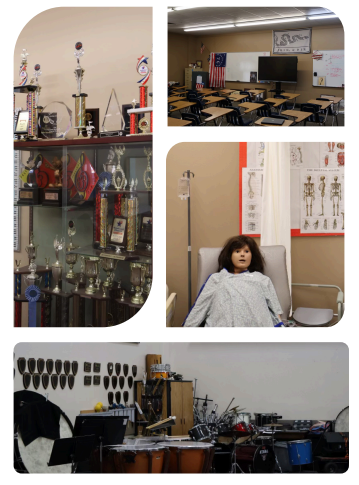
Faith Academy is a private Christian school committed to developing the whole child: academically, spiritually, and personally. Excellence isn’t just a tagline there. It’s woven into the classroom, the stage, the football field, and the daily rhythms of school life.


And for many families, access to that kind of education is only possible because of scholarship support.

Academic Support That Changes Trajectories

One of the standout features of Faith Academy is its comprehensive academic support services, including a dedicated dyslexia program.


For students with dyslexia, targeted instruction and specialized resources aren’t “nice to have.” They’re essential. Faith Academy’s program ensures students receive structured support tailored to how they learn — giving them the tools to thrive, not just survive, in the classroom.


For a donor, that means this: your gift could be the reason a child who once struggled to read gains confidence, keeps pace with peers, and begins to see school as a place of possibility instead of frustration.


That’s not abstract impact. That’s daily, tangible transformation.


A Fine Arts Program That Builds Confidence

Scholarship students at Faith Academy don’t just attend class — they participate fully in campus life.

The Fine Arts department is a vibrant part of the school community. The choral program includes multiple ensembles exploring musical styles from classical and sacred to contemporary. Band instruction begins in fifth grade, with opportunities to join the award-winning Marching Band and Jazz Band.

High school students can take drama as an elective — this year’s production featured Frozen — and many pursue private lessons in voice, piano, or guitar to further develop their talents.

For some students, the stage or the band room is where confidence is born. Scholarships make sure financial barriers don’t keep a child from discovering a gift that could shape their future.

Clubs That Shape Character and Leadership

Education at Faith Academy extends well beyond the classroom.


The student-led Faith Club, open to grades 10–12, encourages students to live out their Christian faith through service and fellowship. It’s leadership in action — students serving others and strengthening their spiritual foundation.


Other extracurriculars include:

  • Chess Club, where strategy and problem-solving take center stage
  • Robotics Club, introducing middle and high school students to STEM through hands-on design and programming

These experiences build critical thinking, teamwork, and resilience — the kinds of skills that last long after graduation.

And again, scholarship funding ensures students can access all of it.


A Holistic Education, Made Possible by Generosity

Faith Academy offers a holistic education grounded in Christian values and a commitment to excellence. Academic rigor, specialized support, spiritual formation, and meaningful extracurricular opportunities come together to create an environment where students can flourish.


Kelly Beasley, administrator at Faith Academy, shares: “The Alabama Opportunity Scholarship Fund opens doors for students who would not otherwise have the option to attend Faith Academy. These scholarships don’t just cover tuition — they create access to academic support, spiritual formation, and opportunities that help students thrive. We are grateful for donors who make that possible.”


What Your Support Really Means

When you give to AOSF, you are not just funding a line item.


You are:

  • Supporting a child with dyslexia who needs specialized instruction
  • Backing a fifth grader picking up an instrument for the first time
  • Empowering a high school student leading peers in faith and service
  • Opening access to robotics labs, chess tournaments, theater productions, and rigorous academics


This is what scholarship funding looks like in Alabama.

It looks like opportunity. It looks like confidence. It looks like excellence made accessible.


And it starts with donors who believe every child deserves a chance to thrive.
Children sitting in a row, laughing and smiling in a bright classroom
October 5, 2026
EFTC gives Alabama schools a new opportunity to reach donors beyond state lines. Learn how school-directed contributions could expand support for scholarships.
Hands reviewing documents at a meeting table with coffee and a calculator
October 2, 2026
Treasury has issued new EFTC guidance. AOSF has reviewed the regulations and is ready for what’s next.
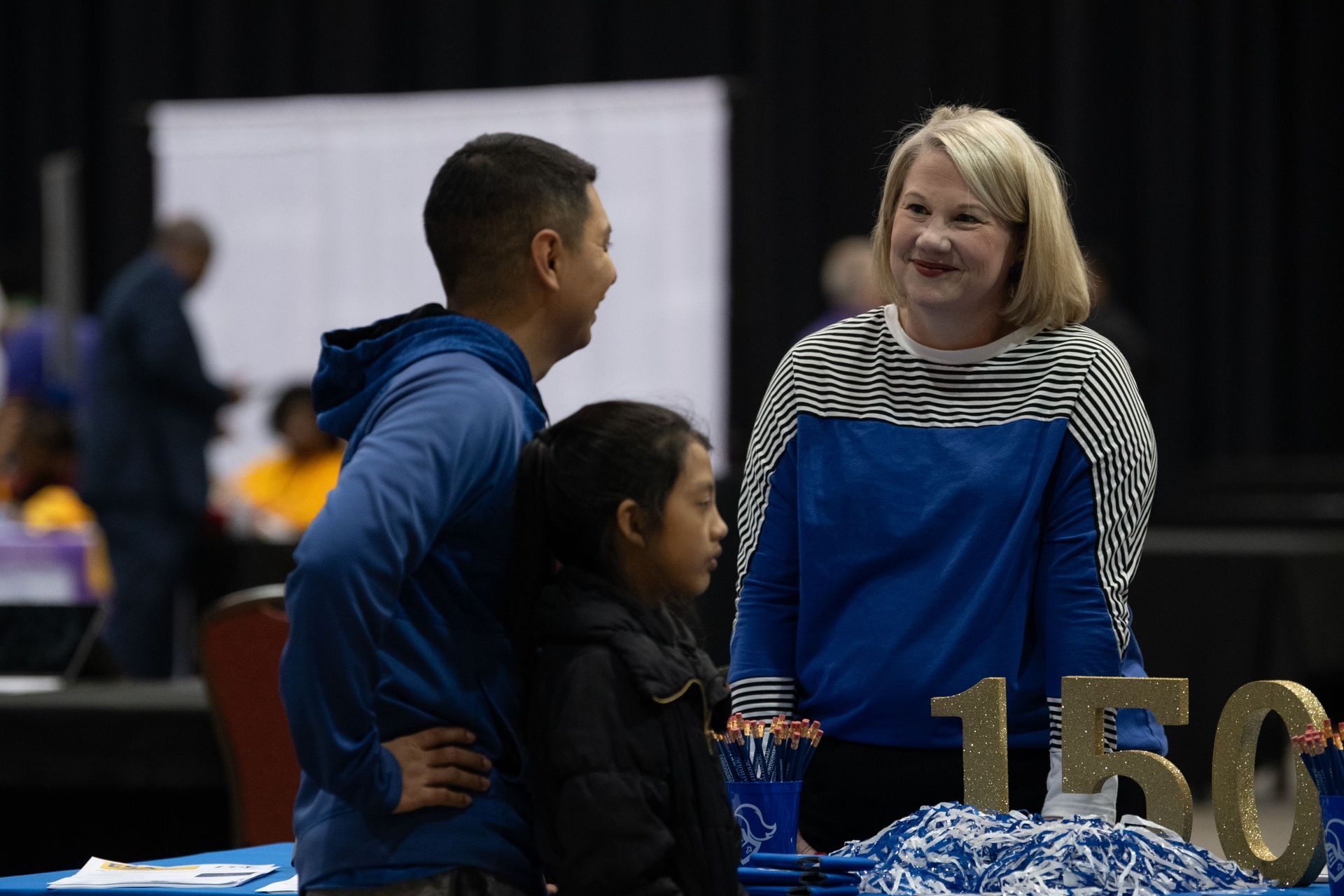
Three people talking at an indoor event table with a gold “150” display in the foreground.
September 28, 2026
Learn how the Education Freedom Tax Credit (EFTC) will expand school choice in 2027, including eligibility, scholarships and how EFTC funds can stack with AAA and CHOOSE Act funds.
Two people in navy shirts high-five in front of a brick wall.
September 21, 2026
A new Montgomery microschool is helping students find and utilize their gifts.
September 14, 2026
Discover how Alabama businesses can use tax credits to invest in students and help build the future of Alabama’s workforce.
September 8, 2026
Discover how school choice is giving Conecuh Springs families access to opportunity, community and an education that fits their children.
August 31, 2026
A mom is thankful for her daughter's education, made possible through a tax credit scholarship and Alabama Opportunity Scholarship Fund.
August 24, 2026
Parents don't change schools because they enjoy starting over. Changing schools can mean new routines, new teachers, new classmates and a whole new adjustment for a child. So when families make that decision, it's worth asking what is driving them to look for something different. Recent survey data from EdChoice and the National School Choice Awareness Foundation provide some answers. Together, the findings offer a clearer picture of what families experience when a school isn't meeting their child's needs and what they are looking for in a new educational environment.
A mom helping child with school work at a kitchen table, with a laptop and pencil cup nearby
August 17, 2026
We want to hear from Alabama homeschool families as AOSF explores how a new homeschool fund could better support their educational needs.
August 10, 2026
Earlier this year, our Operations Manager Abbie Schofield shared her “why” for school choice . Now, as a mother navigating a housing market where a home’s school zone can be just as important as its price or location, she has a new perspective to share. Her story is a reminder that school choice isn’t about whether a school is “good” or “bad.” It’s about finding the environment where a particular child can feel safe, supported and capable of learning, and giving parents the freedom to choose it. I grew up in a small city with a fantastic public school system. Every teacher I had was kind, loving, and dedicated. Still, all I wanted to do was leave. In elementary school, I came home crying, begging my parents to send me to a local private school where my church friends went. I was bullied consistently to the point that school felt unbearable. I couldn't understand why I couldn't go—though I do now. It was a sacrifice my family simply couldn't afford. Had our state’s tax-credit scholarship program existed then, we would have qualified. Things eventually improved. I threw myself into academics and extracurriculars, graduating fourth in my class, Senior Class President, and Color Guard Captain. I worked part-time and took on every activity possible because I needed a scholarship to afford college. When an endowed scholarship ultimately made my dream of attending The University of Alabama affordable, it changed my life forever. Today, I manage finances and operations for the very scholarship program that could have changed my childhood. Every time I speak with a parent asking about our scholarships, I hear the same desperation I remember from my own mother—a longing for a happier, safer place for their child to learn. Now, as a mother, I find myself sitting on the other side of that table. My husband and I are currently house hunting to move closer to his job. Right down the road from one house we like sits an adorable home—$100,000 cheaper with significantly more square footage. But because it sits just across a boundary line, zoned for a different school track, I won’t even consider it. I am a parent with resources, a two-income household, and a career dedicated to navigating educational choices in our state. Yet I feel severely trapped by zip codes. I want the best public education for my son, who is in early intervention and will likely need an Individualized Education Program (IEP). Programs like the Alabama Accountability Act allow transfers out of failing school zones. But because the local elementary school isn't labeled "failing"—even if the middle or high school down the line is—transferring isn't an option. And even if neighboring public schools accepted transfers, a child requiring specialized IEP accommodations is rarely prioritized for open-enrollment slots. Meanwhile, stretching our budget to pay private school tuition on top of a mortgage would be a heavy financial burden. My husband and I are proud products of public K-12 schools and public universities. Some of my closest friends are public school teachers. They are deeply dedicated, overworked, and underpaid. They deserve far more support than they receive. But so do our children. Every parent deserves the ability to make educational choices that make their child feel safe, supported, and capable of learning. Sometimes a child needs a different environment not because a school is bad, but because their specific needs—whether ADHD, specialized learning, or safety—require a different fit. And when a school is failing, forcing a child to remain there for the sake of system optics or ADULT politics is indefensible. Our children deserve their best shot at their best possible future. The parents who know and love them best deserve the right to help get them there—regardless of their zip code or income.