Momentum Builds for Education Freedom at CSF Partner Summit

April 27, 2026

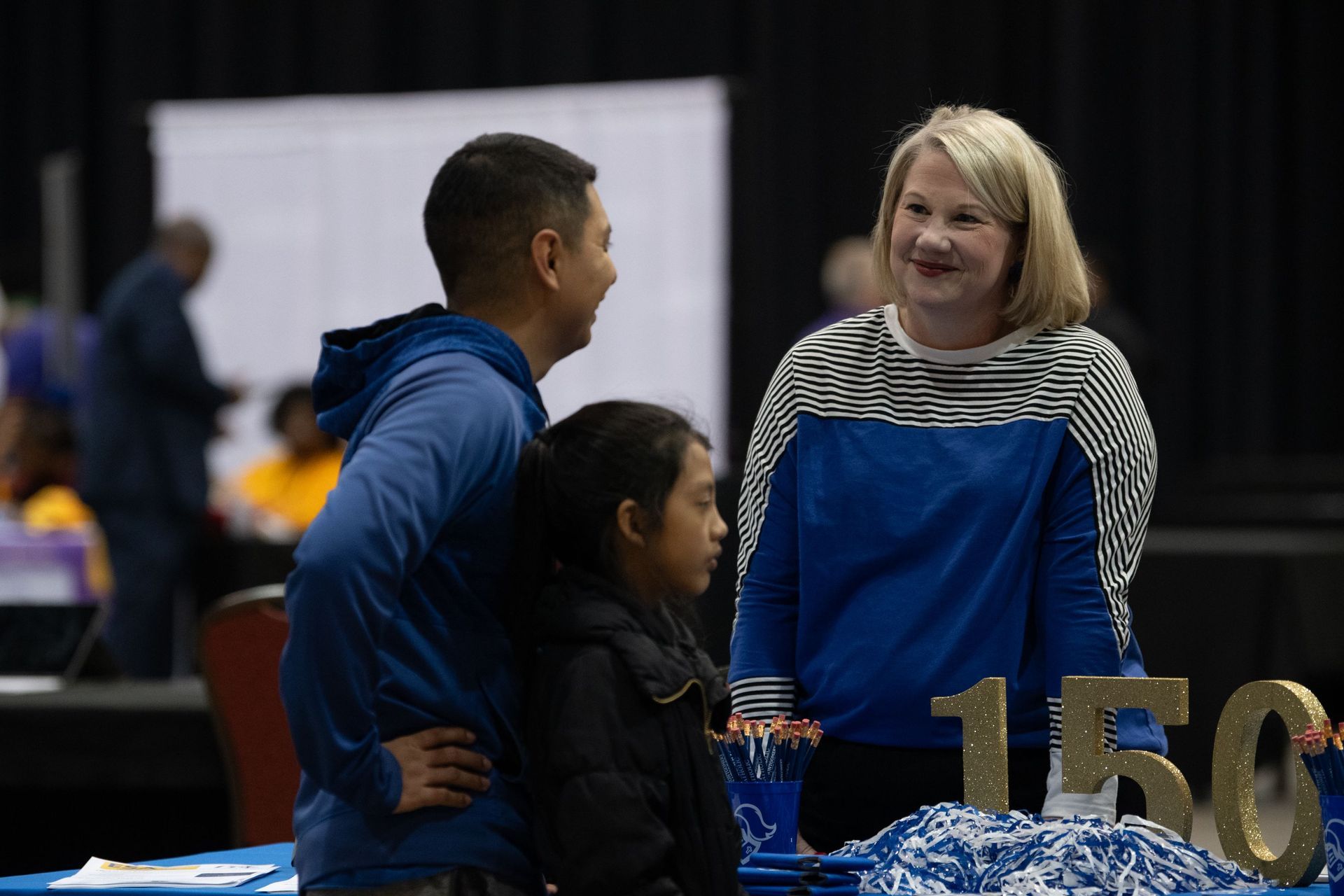
Last week, Alabama Opportunity Scholarship Fund joined partners from across the country at the Children's Scholarship Fund Partner Summit in New York City—an energizing gathering of leaders committed to expanding access to educational opportunity.


During the summit, our Executive Director, Andy Ryan, was invited to speak on the growing potential of Education Freedom Tax Credits (EFTC) and what they can mean for states, schools, and families. As more states explore this flexible funding mechanism, the conversation focused on how EFTC programs can open doors—giving families greater access to the learning environments that best meet their children’s needs while strengthening the broader education landscape.


Beyond the sessions, the summit offered something just as valuable: connection. From longtime partners to new collaborators, the room was filled with individuals and organizations working toward the same goal—empowering families with education freedom. These moments of shared insight and collaboration continue to drive the work forward.


The takeaway was clear: momentum is building. And with it, a renewed commitment to ensuring more families have access to the opportunities they deserve.


October 20, 2026
Every child learns differently. Every family has different priorities. And finding the right educational environment often starts with understanding the options available. In Alabama, those options continue to expand. The Alabama Accountability Act (AAA) Scholarship Program has helped eligible students access private schools for more than a decade. The CHOOSE Act introduced education savings accounts, giving participating families more flexibility with qualifying educational expenses. And beginning January 1, 2027, the Education Freedom Tax Credit (EFTC) will create another opportunity to support students through scholarship-granting organizations. These programs serve different purposes, but together, they reflect a broader shift toward giving families more ways to pursue the education that works best for their children.
Three children with backpacks walking arm-in-arm down a school hallway
October 13, 2026
Two Alabama schools show how the right educational environment can help students with learning differences thrive.
Children sitting in a row, laughing and smiling in a bright classroom
October 5, 2026
EFTC gives Alabama schools a new opportunity to reach donors beyond state lines. Learn how school-directed contributions could expand support for scholarships.
Hands reviewing documents at a meeting table with coffee and a calculator
October 2, 2026
Treasury has issued new EFTC guidance. AOSF has reviewed the regulations and is ready for what’s next.
Three people talking at an indoor event table with a gold “150” display in the foreground.
September 28, 2026
Learn how the Education Freedom Tax Credit (EFTC) will expand school choice in 2027, including eligibility, scholarships and how EFTC funds can stack with AAA and CHOOSE Act funds.
Two people in navy shirts high-five in front of a brick wall.
September 21, 2026
A new Montgomery microschool is helping students find and utilize their gifts.
September 14, 2026
Discover how Alabama businesses can use tax credits to invest in students and help build the future of Alabama’s workforce.
September 8, 2026
Discover how school choice is giving Conecuh Springs families access to opportunity, community and an education that fits their children.
August 31, 2026
A mom is thankful for her daughter's education, made possible through a tax credit scholarship and Alabama Opportunity Scholarship Fund.
August 24, 2026
Parents don't change schools because they enjoy starting over. Changing schools can mean new routines, new teachers, new classmates and a whole new adjustment for a child. So when families make that decision, it's worth asking what is driving them to look for something different. Recent survey data from EdChoice and the National School Choice Awareness Foundation provide some answers. Together, the findings offer a clearer picture of what families experience when a school isn't meeting their child's needs and what they are looking for in a new educational environment.