Building New Educational Opportunities Through School Choice
For years, conversations about school choice have focused on helping families access educational options that already exist.
But increasingly, school choice is doing something else: it's helping educators create entirely new opportunities for students.
A recent piece from The 74 highlights the growing microschool movement across the country. Among its findings, one statistic stands out: more than 40% of individuals planning to launch new microschools in the coming years are Black educators, compared to just 18% of current microschool founders.
One of those future founders is right here in Alabama.
This summer, retired educator Monette Mottenon plans to open a microschool in Montgomery after spending decades working with students in traditional school settings. Her motivation came from a challenge she saw repeatedly throughout her career.
Many students understood classroom content but struggled to read well enough to demonstrate their knowledge on assessments. Mottenon recalls watching students fail tests not because they lacked understanding, but because they struggled to comprehend the questions themselves.
For her, microschools offered an opportunity to address those challenges in a more personalized learning environment.
Her story reflects a broader trend emerging across the country. Educators who have spent years identifying gaps in the education system are increasingly choosing to become innovators, creating learning environments designed around the specific needs of students and families.
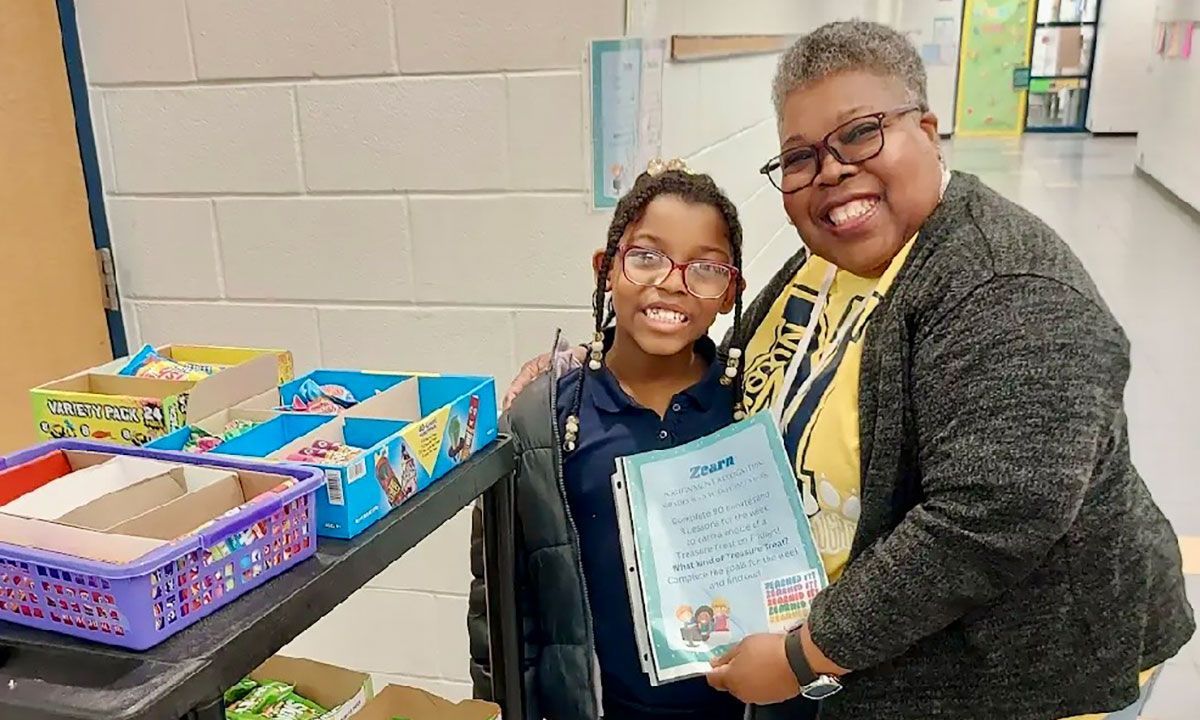
This is one of the most powerful outcomes of educational freedom.
School choice is often discussed from the perspective of parents, and rightly so. Families deserve the ability to choose the educational setting that best fits their children.
But educational freedom also empowers educators.
It gives teachers, school leaders, and community members the opportunity to build new models of learning, particularly in communities where families may have limited educational options.
For Alabama, this moment is especially significant.
The Alabama CHOOSE Act is expanding opportunities for families across the state while creating an environment where innovative educational models can emerge and grow. Whether those models take the form of private schools, microschools, hybrid learning programs, or other approaches, the result is the same: more options for students.
That matters in urban communities. It matters in rural communities. And it matters for students who may need a different learning environment to thrive.
The future of school choice in Alabama is not simply about helping families access existing schools. It's also about creating space for educators like Monette Mottenon to build something new. And for the students who will benefit from those opportunities, that future is worth celebrating.