From Workforce Training to a Microschool: One Montgomery Educator's Vision for Student Success.
Tucked away just off one of Montgomery's busiest corridors, a unique educational community is preparing to welcome students this fall with a model designed to connect academics, workforce development, and the arts.
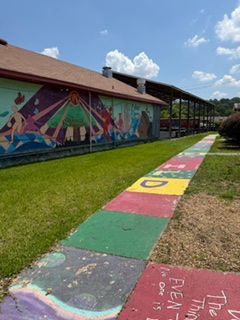
Founded by Charles Lee Sr., Hope Academy grew from a long-standing commitment to serving young people through after-school programming focused on arts education, mentorship, and job training. What began as a community-centered effort has evolved into a vision for a microschool that gives students opportunities to learn both inside and outside the classroom.
Lee's own story is one of resilience and determination. After surviving a gunshot wound at age 13, he and his family eventually relocated from Illinois to Montgomery. Despite difficult circumstances early in life, Lee went on to build programs that create opportunities for young people facing challenges of their own. His mother, who later became an important part of the school's journey, helped launch the organization and taught dance as part of its arts programming.
Today, that commitment to hands-on learning is visible throughout the campus. During a recent visit, our team had the opportunity to experience one of the school's most innovative workforce training programs: an on-site restaurant operated by students.
Open to the public during the summer months from 11 a.m. to 2 p.m., the restaurant serves community members while also preparing meals for local community centers. Students gain practical experience in customer service, food preparation, operations, and teamwork. During our visit, students greeted guests, served meals, and demonstrated the professionalism and confidence they are developing through the program.




Beginning in the 2026-27 school year, the school plans to launch a microschool serving approximately 30 students in grades 9-12. Students will spend part of their day focused on academics and the remainder participating in arts education or workforce training programs designed to prepare them for life after graduation.
Already, eight students who received CHOOSE Act Education Savings Account awards are expected to attend when the school opens its doors this fall.
The model recognizes that students thrive when learning is connected to purpose. Whether developing artistic talents, gaining career-ready skills, or strengthening academic foundations, students will have opportunities to explore pathways that align with their interests and goals.
As Alabama families gain access to more educational options through the CHOOSE Act and scholarship programs, schools like this demonstrate the diverse ways educators are meeting students' needs. By blending academics with real-world experiences, the school is creating an environment where students can build confidence, develop valuable skills, and prepare for a successful future.
For Lee, the mission has always been about opening doors for young people. As the microschool prepares for its first class of students, that mission continues to take shape in meaningful ways for families across the Montgomery community.