Leading the Way: Maleah Tigner’s Journey at Chambers Academy

May 6, 2026

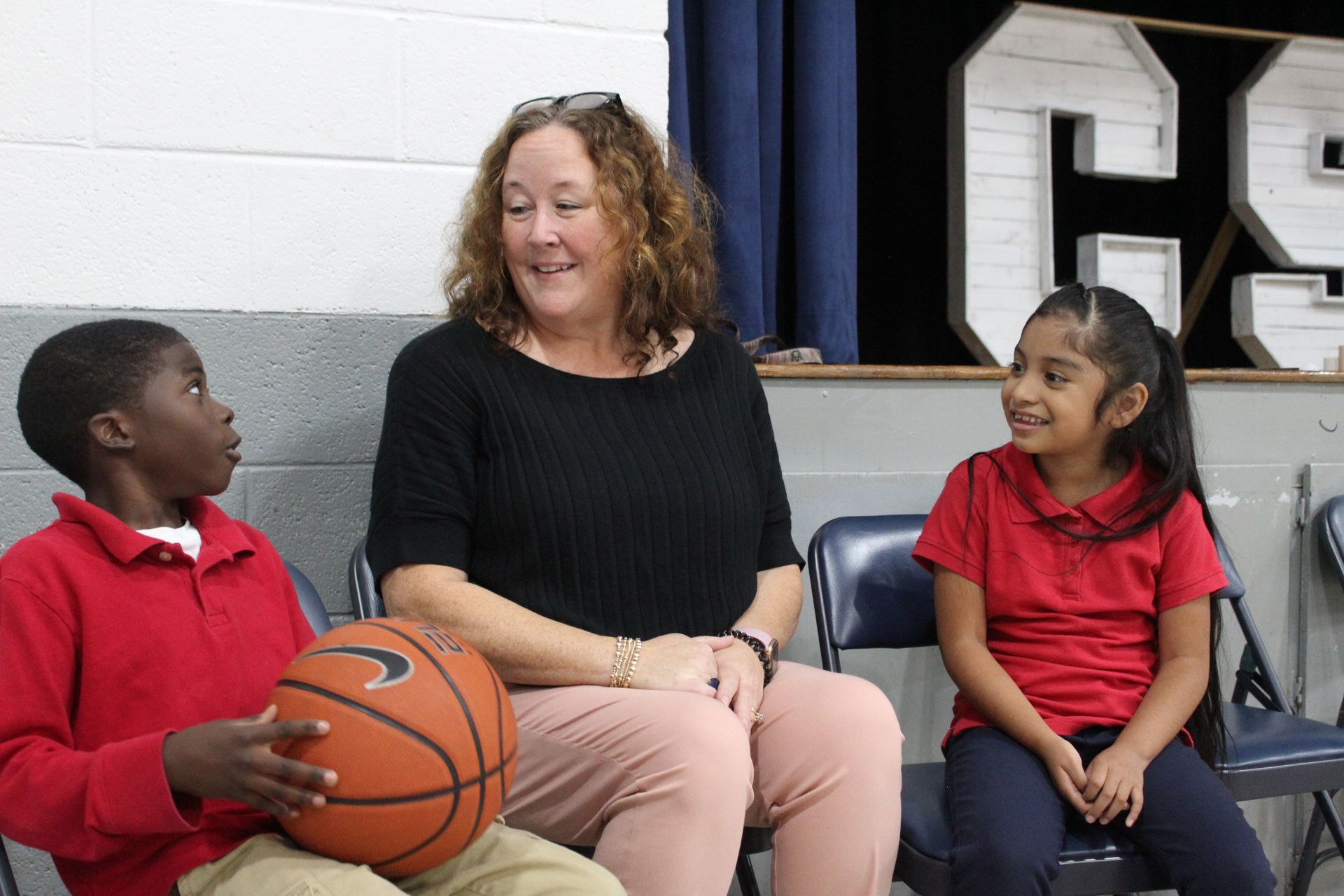
For Maleah Tigner, Chambers Academy has never been just a school, it’s been a second home.


A senior and soon-to-be graduate, Maleah has spent her entire academic journey at Chambers Academy, beginning in first grade. Over the years, she’s grown alongside her classmates, built lasting relationships with teachers, and developed a strong sense of purpose that now guides her next steps.
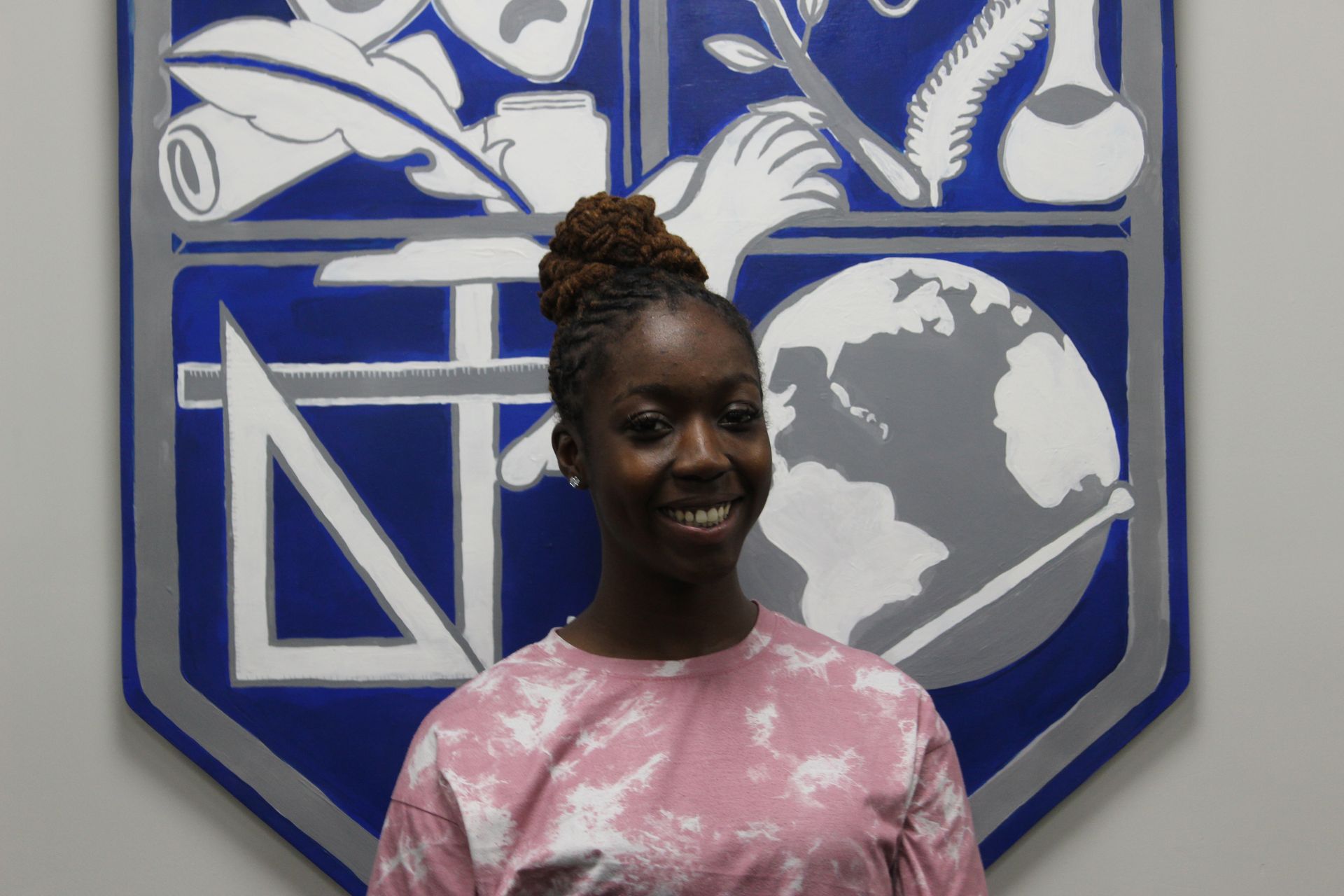
Known for her consistency and leadership, Maleah describes one of the things she values most about Chambers Academy as its steady, supportive environment. “It’s not chaotic,” she explains. “Everybody is consistent—how we learn, how we study, how we support each other.”


That consistency has allowed her to focus not just on academics, but on personal growth.


One lesson, in particular, has stuck with her: leave it better than you found it. It’s a mindset she applies daily, whether that means encouraging a classmate after a tough moment or simply being someone others can rely on. It’s a small phrase with a big impact, and one that reflects the culture of the school itself.


Maleah’s journey is also a testament to the power of opportunity.

As a long-time AOSF scholarship recipient, she has experienced firsthand how access to education can change the trajectory of a student’s life. And she’s not alone—she has a set of twins who are sophmores following in her path. Her impact reaches beyond the classroom. Her father, inspired by her dedication, recently earned his high school diploma, marking a milestone for their entire family.


That ripple effect is exactly what programs like the Alabama Opportunity Scholarship Fund are designed to create.


Now, as she prepares for graduation, Maleah is not only looking ahead—she’s making history. She is Chambers Academy’s first African American valedictorian, a milestone that reflects both her individual achievement and the school’s continued growth as a diverse and welcoming community.


For Maleah, the future is bright and she carries with her the lessons, relationships, and values that were built over years at Chambers Academy.


And if her story is any indication, she won’t just step into the future, she’ll make it better.

September 14, 2026
Discover how Alabama businesses can use tax credits to invest in students and help build the future of Alabama’s workforce.
September 8, 2026
Discover how school choice is giving Conecuh Springs families access to opportunity, community and an education that fits their children.
August 31, 2026
A mom is thankful for her daughter's education, made possible through a tax credit scholarship and Alabama Opportunity Scholarship Fund.
August 24, 2026
Parents don't change schools because they enjoy starting over. Changing schools can mean new routines, new teachers, new classmates and a whole new adjustment for a child. So when families make that decision, it's worth asking what is driving them to look for something different. Recent survey data from EdChoice and the National School Choice Awareness Foundation provide some answers. Together, the findings offer a clearer picture of what families experience when a school isn't meeting their child's needs and what they are looking for in a new educational environment.
A mom helping child with school work at a kitchen table, with a laptop and pencil cup nearby
August 17, 2026
We want to hear from Alabama homeschool families as AOSF explores how a new homeschool fund could better support their educational needs.
August 10, 2026
Earlier this year, our Operations Manager Abbie Schofield shared her “why” for school choice . Now, as a mother navigating a housing market where a home’s school zone can be just as important as its price or location, she has a new perspective to share. Her story is a reminder that school choice isn’t about whether a school is “good” or “bad.” It’s about finding the environment where a particular child can feel safe, supported and capable of learning, and giving parents the freedom to choose it. I grew up in a small city with a fantastic public school system. Every teacher I had was kind, loving, and dedicated. Still, all I wanted to do was leave. In elementary school, I came home crying, begging my parents to send me to a local private school where my church friends went. I was bullied consistently to the point that school felt unbearable. I couldn't understand why I couldn't go—though I do now. It was a sacrifice my family simply couldn't afford. Had our state’s tax-credit scholarship program existed then, we would have qualified. Things eventually improved. I threw myself into academics and extracurriculars, graduating fourth in my class, Senior Class President, and Color Guard Captain. I worked part-time and took on every activity possible because I needed a scholarship to afford college. When an endowed scholarship ultimately made my dream of attending The University of Alabama affordable, it changed my life forever. Today, I manage finances and operations for the very scholarship program that could have changed my childhood. Every time I speak with a parent asking about our scholarships, I hear the same desperation I remember from my own mother—a longing for a happier, safer place for their child to learn. Now, as a mother, I find myself sitting on the other side of that table. My husband and I are currently house hunting to move closer to his job. Right down the road from one house we like sits an adorable home—$100,000 cheaper with significantly more square footage. But because it sits just across a boundary line, zoned for a different school track, I won’t even consider it. I am a parent with resources, a two-income household, and a career dedicated to navigating educational choices in our state. Yet I feel severely trapped by zip codes. I want the best public education for my son, who is in early intervention and will likely need an Individualized Education Program (IEP). Programs like the Alabama Accountability Act allow transfers out of failing school zones. But because the local elementary school isn't labeled "failing"—even if the middle or high school down the line is—transferring isn't an option. And even if neighboring public schools accepted transfers, a child requiring specialized IEP accommodations is rarely prioritized for open-enrollment slots. Meanwhile, stretching our budget to pay private school tuition on top of a mortgage would be a heavy financial burden. My husband and I are proud products of public K-12 schools and public universities. Some of my closest friends are public school teachers. They are deeply dedicated, overworked, and underpaid. They deserve far more support than they receive. But so do our children. Every parent deserves the ability to make educational choices that make their child feel safe, supported, and capable of learning. Sometimes a child needs a different environment not because a school is bad, but because their specific needs—whether ADHD, specialized learning, or safety—require a different fit. And when a school is failing, forcing a child to remain there for the sake of system optics or ADULT politics is indefensible. Our children deserve their best shot at their best possible future. The parents who know and love them best deserve the right to help get them there—regardless of their zip code or income.
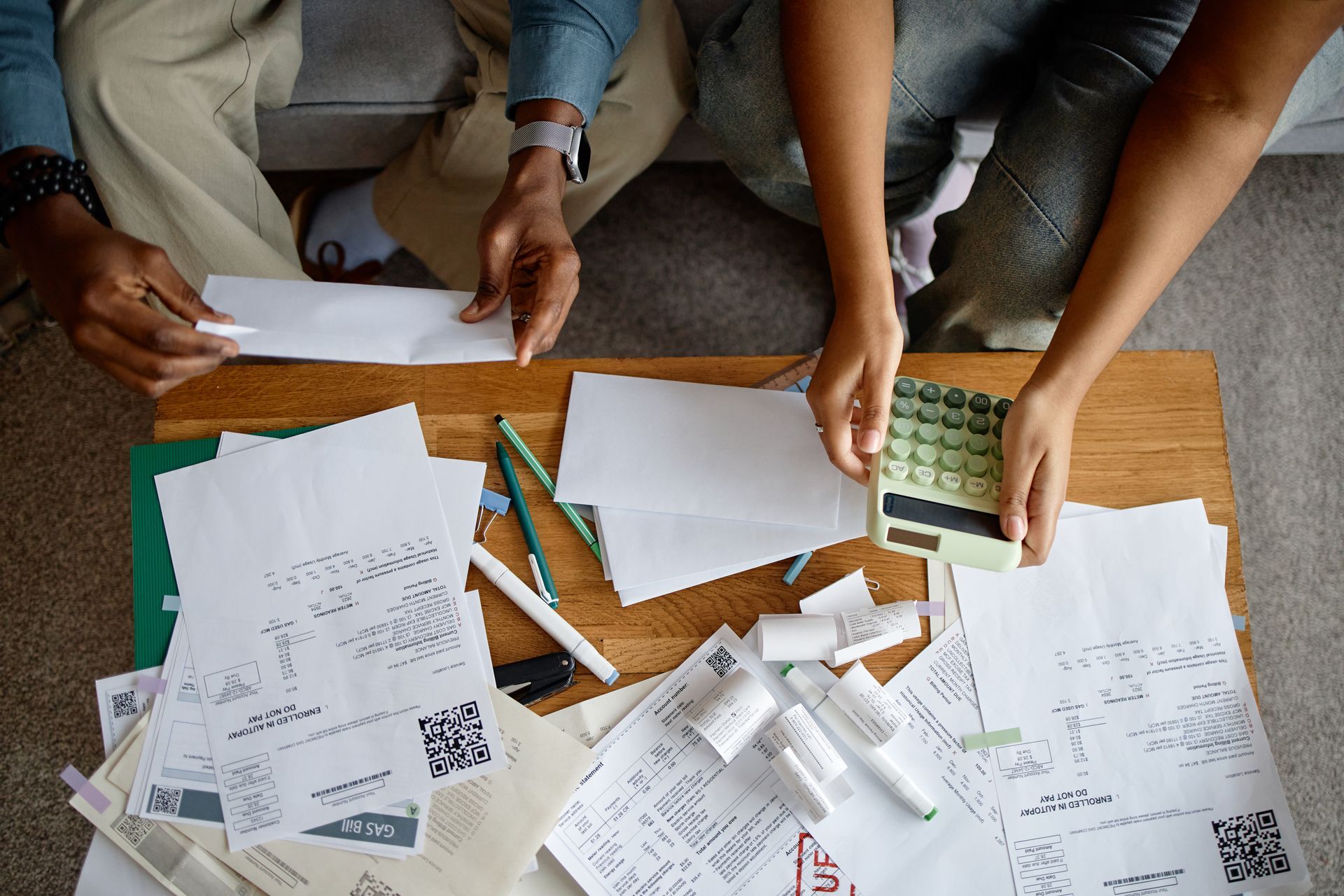
Hands working over paperwork and receipts on a wooden table with a calculator and pens
August 3, 2026
Nearly $38 million in tax credits remain. Learn how to support Alabama students by redirecting your state tax dollars through AOSF.
July 27, 2026
School choice in Alabama is expanding, giving families more opportunities to find the educational environment that best meets their child’s needs. But with new programs and updates happening quickly, it can be challenging to understand how each opportunity works and how they fit together. In the latest episode of Bama Knows Education, from Love Your School Alabama , we take a closer look at three key programs shaping the future of education in Alabama: the Alabama Accountability Act (AAA) Scholarship Program, the CHOOSE Act, and the new Federal Education Freedom Tax Credit.
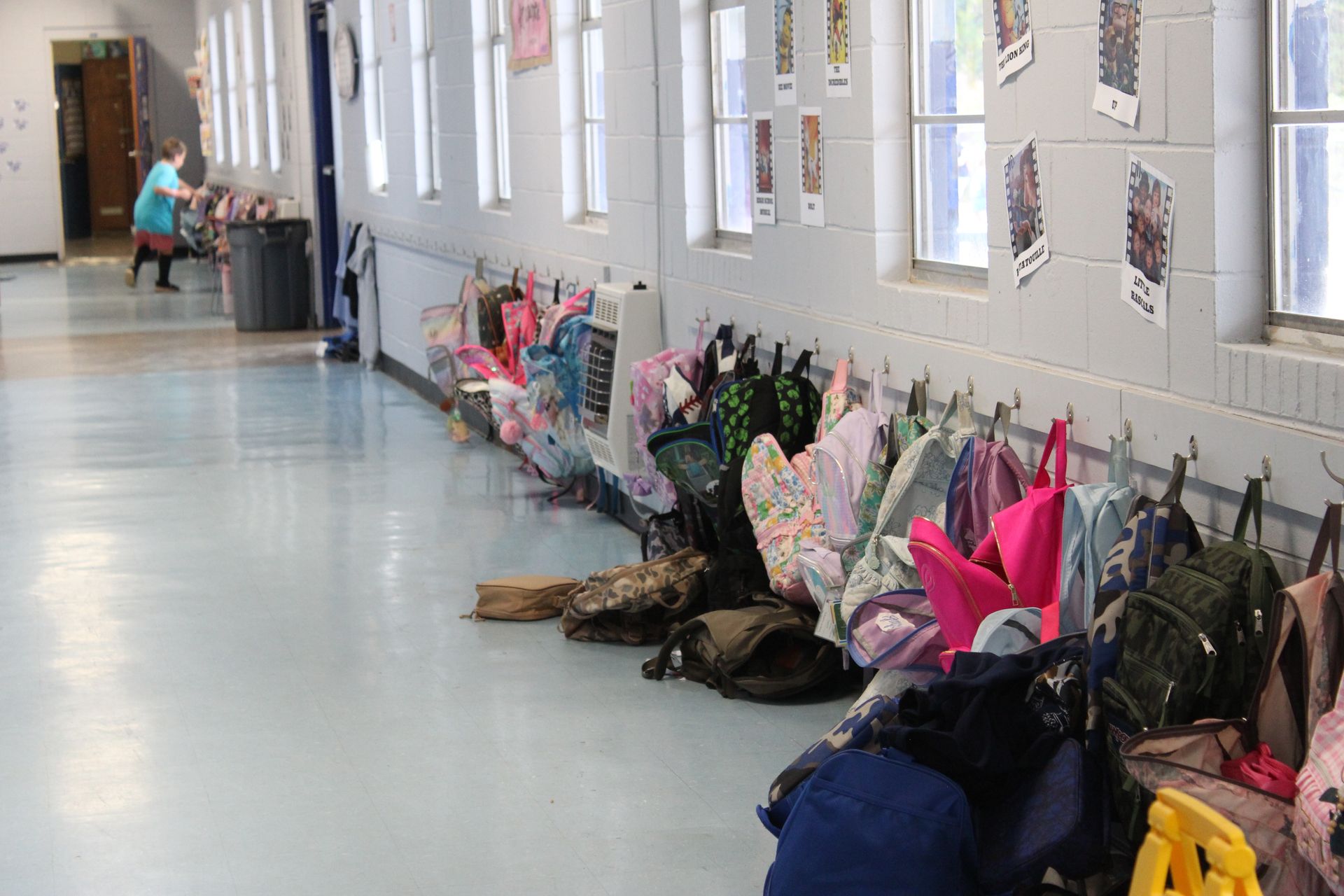
School hallway lined with colorful backpacks and coats against the wall
July 22, 2026
Can Alabama AAA Scholarship donors choose a specific school? Learn how tax credit scholarship contributions work and how your donation supports students statewide.
Student writing at a classroom desk while classmates sit behind them, with colorful posters on the wall.
July 20, 2026
Starting in 2027, Alabama taxpayers can redirect up to $1,700 in federal tax liability to support K-12 scholarships through the Education Freedom Tax Credit.